
Rolf Schweizer «When the inspection is in order, it is a confirmation.»
Interview on the 10th anniversary of the cooperation between bio.inspecta, FiBL and Bio Suisse
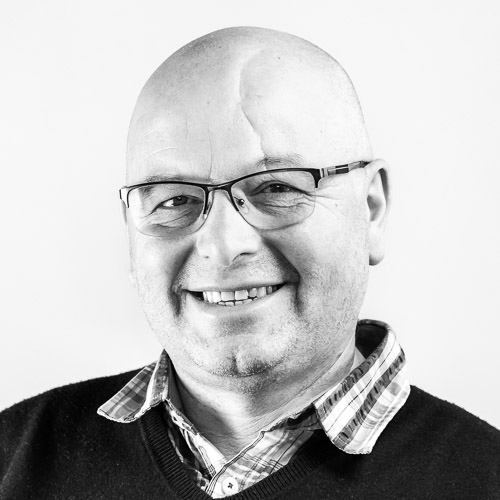
Rolf Schweizer, Managing Director French-Speaking Switzerland
In 2026, FiBL, Bio Suisse and bio.inspecta celebrate ten years of joint commitment. An opportunity to interview the head of the French-speaking section of bio.inspecta, Rolf Schweizer, an attentive observer of the organic sector. A qualified farmer aged 64, Rolf Schweizer runs a family farm focused on crop farming and livestock in Peyres-Possens (VD) and Les Giettes (VS).
How and why did you join the organic movement, first as a producer and then as an inspector?
Even when I was part of IP-Suisse, I was interested in production methods, especially organic farming. In 2011, my wife and I decided to convert to organic farming. Later, I was contacted by bio.inspecta, which was looking for a regional manager for French-speaking Switzerland. The project interested me; I already had experience at the municipal level and had worked as an inspector for the Federal Alcohol Administration. Things developed quite naturally. I was hired in 2015 and quickly took over the management of the regional section.
You have supported the establishment and development of bio.inspecta in French-speaking Switzerland. What key memories or milestones do you retain from the past ten years?
When I started, we inspected around 900 farms in French-speaking Switzerland. Today, there are about 1'300. At that time, bio.inspecta’s presence win French-speaking Switzerland was still relatively discreet. The opening of a proper regional office was an important step. It allowed us to further professionalize our activities and improve collaboration with producers, processors, and institutional partners.
What has struck you most about the development of organic farming in French-speaking Switzerland?
Around 2015, there was a significant increase in conversions, driven in particular by growing market demand. Afterwards, the momentum stabilized somewhat. Today, we mainly see producers who are committed to a long-term approach. Some said that farmers were switching to organic farming just for subsidies and would later revert. In reality, most of them stay. Conversions back to conventional farming do exist, of course, but they are generally linked to financial issues. In practice, we mostly see convinced and committed producers.
In your opinion, what role does inspection play in the credibility and trust surrounding the organic label?
Inspection is essential for maintaining the credibility of the organic label. It ensures that rules are followed and practices are compliant. It can be a slightly stressful moment, which is normal, but it is also an opportunity to exchange ideas and improve. Farmers also see it as a form of quality control. When everything is in order, it confirms that the work has been done properly. This independent verification is crucial for maintaining trust among processors and consumers.
What would you like to pass on to the next generation of organic producers?
First of all, economic viability must be ensured. Being a farmer today also means being an entrepreneur. Being an organic farmer requires going even further in this regard. But it is also a source of pride when everything works well. Organic farming requires commitment, responsibility, and rigor. Everyone has a role to play in maintaining these standards—producers, processors, inspectors, and researchers alike. It is a collective effort to advance organic agriculture while preserving the principles that make it strong.
Interview conducted by Claire Berbain